

Workday Benchmark: How to Know If You're Overpaying Before Your Next Renewal (2026 Data)


Workday renewals rarely become expensive because of one obviously unreasonable line item. Overpayment usually accumulates through a combination of inflated headcount assumptions, unused modules, unclear discount structures, automatic escalators, and contract terms that remove flexibility.
That makes one question critical before your next renewal:
Is your Workday agreement priced within a defensible market range: or are you paying a premium because the vendor set the anchor first?
A credible Workday benchmark can answer that question. But benchmarking is not simply comparing your total annual contract value with a number found online. You need to normalize the data, examine your licensing structure, and connect pricing to the terms that determine your future cost.
This guide explains how to diagnose overpayment using 2026 benchmark data, what to measure, and where negotiation leverage is most likely to exist.
Important: Workday does not publish a universal price list. The ranges below are directional benchmarks from independent market research and reported enterprise transactions. Your appropriate target depends on employee count, modules, geography, deployment scope, term, and contract structure.
What a Workday benchmark should measure
A useful benchmark should answer more than “What discount did we receive?”
It should measure your effective cost across several dimensions:
- Per employee per year (PEPY) for workforce-based products
- Per user per month or year for named-user products
- Annual contract value (ACV) by module
- Discount from the relevant commercial baseline
- Annual price escalator
- Headcount commitments and true-up rules
- Unused or underused modules
- Flexibility to reduce, add, or reallocate licenses
- Fees outside the headline subscription price
This matters because a large discount can still produce a poor deal. For example, a 40% discount paired with a 5% annual escalator, fixed headcount commitments, and unused modules may cost more over three years than a smaller discount with better protections.
The right question is not “How much did Workday discount the proposal?”
It is:
What will we pay for the functionality we actually use, over the full term, under realistic workforce conditions?
The 5 diagnostic checks that reveal overpayment
1. Calculate your effective unit price
Start with the simplest calculation:
Effective PEPY = Annual module cost ÷ contracted employee count
For named-user products:
Effective annual user price = Annual module cost ÷ contracted named users
Do this separately for each major component rather than dividing total ACV by total employees. A blended number can hide expensive modules inside a bundle.
One 2026 benchmark set reports the following enterprise-level directional ranges:
| Workday component | Indicative enterprise benchmark |
|---|---|
| Core HCM | $14–$22 per employee per year |
| Payroll | $11–$18 per employee per year |
| Recruiting | $7–$12 per employee per year |
| Talent Management | $6–$10 per employee per year |
| Learning | $4–$8 per employee per year |
| Financial Management | $8–$14 per employee per year |
| Adaptive Planning | $1,400–$2,200 per finance user per year |
These figures come from published 2026 renewal research by WorkdayNegotiations. Other market studies report higher delivered pricing when they measure broader bundles, monthly rates, implementation scope, or more complex enterprise footprints.
That difference is not a contradiction. It demonstrates why benchmark comparisons must be like-for-like.
If your effective rate sits materially above the appropriate range after accounting for scope and complexity, you may have a pricing gap worth pursuing.
2. Separate deployed functionality from purchased functionality
Workday bundles can make unused functionality difficult to see. Review each module against four categories:
- Live and business-critical
- Live but underused
- Purchased but not deployed
- No longer required
Pay particular attention to products bought against future plans. A module that was “planned for phase two” three years ago may still be generating subscription cost without delivering value.
This is especially important for planning products and workflow-based packages. Recent Workday pricing research from Redress Compliance found that customers without documented model and workflow counts can overpay materially because the vendor’s estimate becomes the default sizing assumption.
Before renewal, ask:
- How many users are active?
- How many users are provisioned but inactive?
- Which workflows are live?
- Which modules have not passed deployment milestones?
- Which features are being handled outside Workday?
- What percentage of the purchased footprint is likely to be used in the next 12 months?

3. Challenge the headcount forecast
Workday pricing is often tied to employee or worker populations. That creates a major risk: paying today for growth that may not occur.
Your renewal analysis should distinguish between:
- Employees
- Full-time equivalents
- Part-time employees
- Contractors
- Seasonal workers
- Contingent workers
- Acquired employees
- Divested employees
- Regional populations excluded from the agreement
Then compare your contracted count with actual historical averages and your approved workforce plan.
If you are close to a volume breakpoint, the answer may not be to accept Workday’s proposed band. You may be able to negotiate favorable pricing based on a documented forecast: or negotiate a more flexible true-up structure that adjusts in both directions.
An upward-only true-up means Workday benefits when your workforce grows, while you continue paying for capacity when it shrinks. A stronger position includes:
- Bidirectional true-up rights
- Downward adjustment at renewal
- Protection against automatic band resets
- Credits for material workforce reductions
- Clear treatment of mergers, divestitures, and restructurings
4. Audit the escalator, not just the discount
The annual escalator is one of the most overlooked sources of renewal overpayment.
Published 2026 research indicates that Workday proposals may open with annual increases in the 3%–7% range, while benchmark-informed buyers often target a cap between 0% and 3%, depending on leverage and deal structure. Another independent SaaS benchmark found that Workday increases can reach 10%–16% without effective benchmarking, compared with approximately 0%–5% when customers negotiate from market data.
The exact outcome will vary. The principle does not:
A discount is a one-time reduction. An escalator compounds.
Review whether the cap applies to:
- Subscription fees
- Support fees
- Platform fees
- New or renamed SKUs
- Additional modules
- Services that become mandatory
- Any “then-current pricing” language
The strongest language is an all-in cap that prevents Workday from applying the limit only to one portion of the agreement while increasing other charges outside the cap.
This is where a Contract Risk Review can expose cost increases that are not obvious from the order form.
5. Compare your term against your flexibility needs
A longer term can create pricing leverage, but it can also lock in overpayment.
Some 2026 benchmark data reports additional discounts for three-, five-, and longer-term commitments. That may be attractive if Workday is deeply embedded in your operating model and your workforce is stable.
But a longer term is dangerous when:
- Your organization is restructuring
- Headcount is falling
- A merger or divestiture is likely
- Certain modules have not been deployed
- Your transformation roadmap is uncertain
- You lack true-down rights
- Escalators are not capped
Do not trade flexibility for a headline discount without modeling the total cost under multiple scenarios.
How to build a defensible 2026 Workday benchmark
A credible benchmark has four stages.
Stage 1: Normalize the commercial data
Collect the current agreement, order forms, amendments, invoices, usage data, employee counts, and renewal proposal.
Normalize:
- Currency
- Contract term
- Billing frequency
- Employee or user definitions
- Module scope
- Included services
- Implementation or support charges
- One-time credits
- Renewal escalators
Stage 2: Benchmark at the SKU and module level
Compare each component against relevant market data: not just the total contract value.
The Right Price Benchmarking™ service from The Negotiator Guru triangulates pricing using factors such as industry, annual contract value, company revenue, and license footprint. That produces a more useful view than a generic “average Workday customer” number.
Stage 3: Model the full-term cost
Create at least three scenarios:
- Vendor proposal: the renewal as presented
- Defensible target: benchmark-aligned pricing and terms
- Downside case: headcount decline, delayed deployment, or module reduction
Model the impact over the full term, including escalators and true-up mechanics. A $500,000 annual improvement is not the same as a $500,000 one-time credit if the recurring baseline remains inflated.

Stage 4: Translate the data into negotiation asks
Benchmark data is valuable only when it changes your position.
Your asks may include:
- Lower effective PEPY
- Removal of unused modules
- Reallocation rights
- Bidirectional true-up
- A lower annual escalator
- An all-in price cap
- Protection for renamed or replaced SKUs
- Credits for delayed deployment
- Fixed pricing for future roadmap modules
- Renewal flexibility after a merger or divestiture
Use the data internally to set targets, reservation points, and walk-away conditions. In the negotiation, lead with specific commercial requests rather than handing over a generic benchmark report.
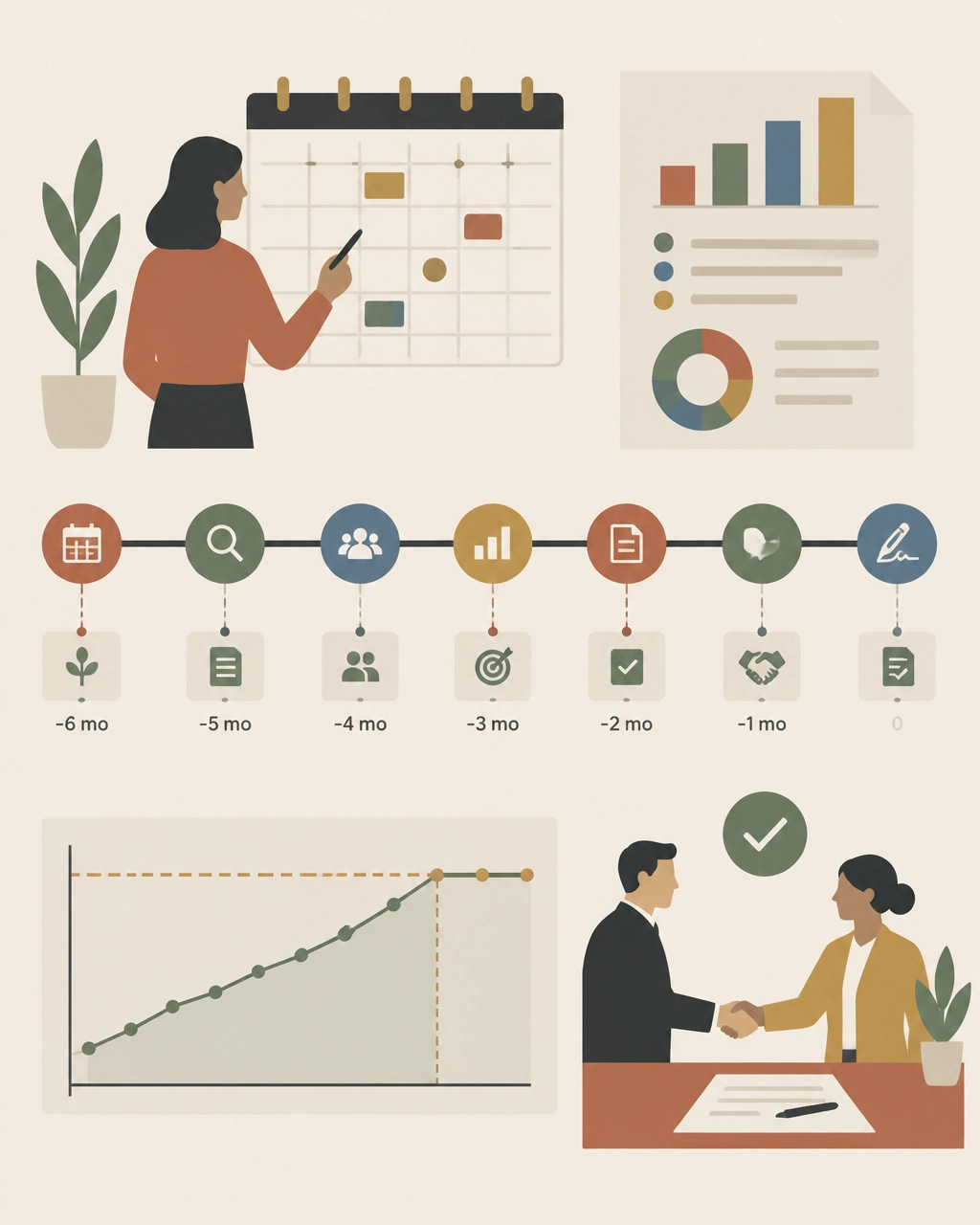
When to start planning for a Workday renewal
Begin at least six months before renewal. Earlier is better when the agreement is complex or the annual spend is significant.
A practical timeline:
- 9–12 months out: collect contract, usage, headcount, and invoice data
- 6–9 months out: complete the benchmark and identify scope changes
- 4–6 months out: set targets, prepare alternatives, and begin formal discussions
- 2–4 months out: negotiate pricing, escalators, true-ups, and risk terms
- 30–60 days out: finalize redlines and verify the commercial model
By the time the vendor presents a renewal quote, your internal target should already be set.
What 2026 buyers should watch closely
Three issues deserve special attention in the next renewal cycle:
AI and new product add-ons
New AI capabilities may be introduced as separate paid products, premium tiers, or expanded bundles. Benchmark them independently. Do not allow “new functionality” to obscure an increase in the effective cost of your existing deployment.
Phased roadmaps
If you plan to add modules later, negotiate future pricing now. Otherwise, you may lose the consolidation economics available when multiple modules are purchased together.
Contract flexibility
Workforce volatility, M&A, and budget pressure make true-down rights and reallocation provisions more valuable than ever. The cheapest contract is not always the one with the largest initial discount. It is the one that remains financially defensible when business conditions change.
Find out whether your Workday deal is above market
You do not need to wait for Workday’s renewal proposal to discover overpayment.
The Negotiator Guru helps enterprise teams benchmark every relevant SKU, expose unused or inflated scope, review contract risk, and build a negotiation strategy before the vendor sets the anchor. Our Workday negotiation specialists operate discreetly as an extension of your team.
With Right Price Benchmarking™, we identify what your agreement should cost and where the savings opportunity exists. If the contract warrants broader support, our Full Negotiation Support team can help plan, pressure, and execute the renewal.
We have delivered $1.05 billion in total cost impact globally, with average savings of 37% per deal. And if we cannot identify at least 10% savings, we do not take the deal.
Before your next Workday renewal, benchmark the agreement you have: not the proposal you are given. Start your assessment with The Negotiator Guru.
More resources
From Fortune 500 giants to fast-growing innovators, TNG has helped clients save 20% – 40%+ on enterprise software contracts — even when they thought it was impossible
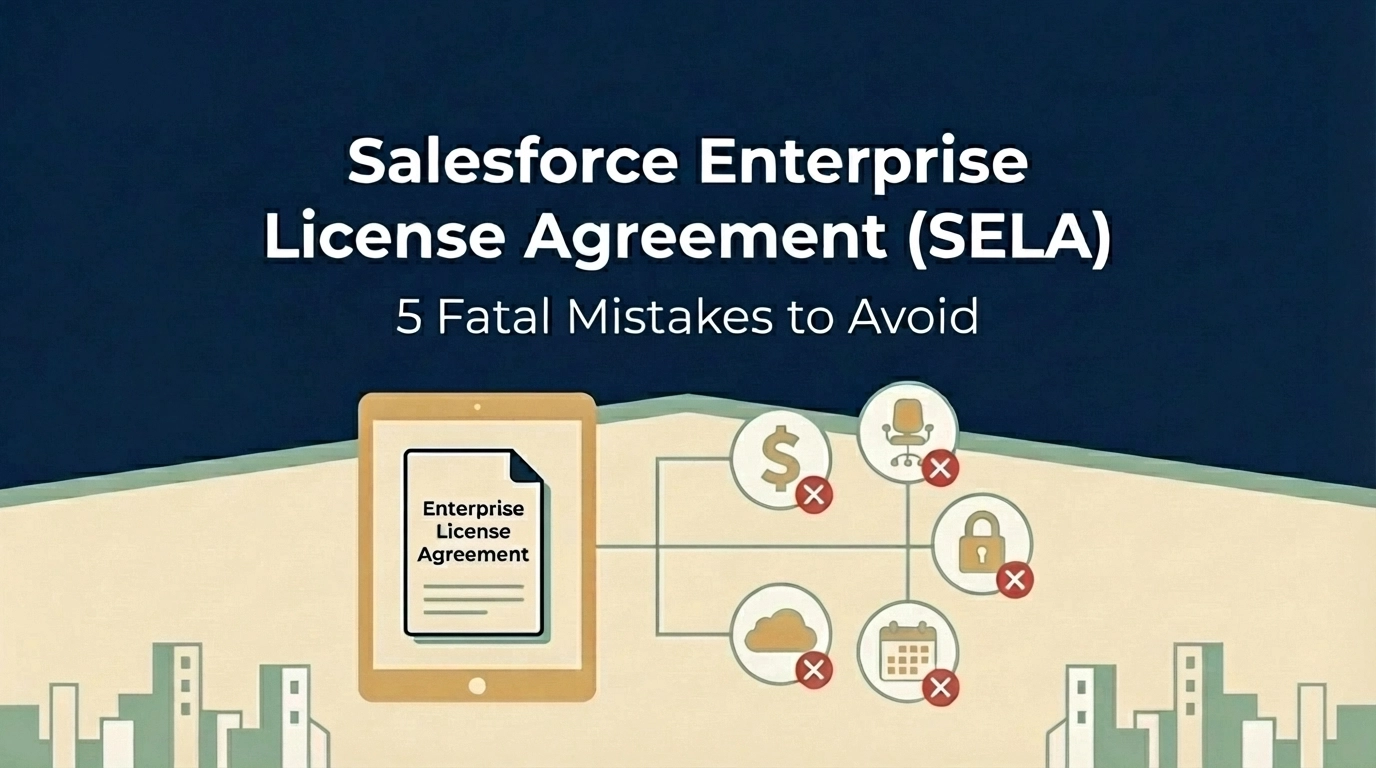
Are You Making These 5 Fatal Mistakes with Your Salesforce Enterprise License Agreement?
Your Salesforce Enterprise License Agreement (SELA) could be costing you millions more than it should. While these multi-year deals promise predictable pricing and enterprise-grade support, they're riddled with traps that can drain your IT budget faster than you can say "CRM transformation."
As someone who's seen countless enterprises stumble through salesforce renewal negotiations, I can tell you that most organizations make the same critical mistakes, and pay dearly for them. Whether you're a CIO planning your next renewal or a CFO trying to control spiraling software costs, these five fatal errors could be sabotaging your bottom line.
Mistake #1: The Baseline Trap, Overcommitting Based on Inflated Projections
Here's how it usually goes: Salesforce looks at your current usage, adds a "growth buffer," and locks you into user counts that seem reasonable today but become millstones tomorrow. This baseline trap is the most expensive mistake you can make in salesforce contract negotiation.
The problem? You're committing to licenses you may never use, and your per-user pricing gets locked at rates based on inflated projections. I've seen companies commit to 2,000 users when they realistically need 1,200, just because their sales rep painted a rosy picture of "inevitable growth."
The Fix: Negotiate growth as an option, not a requirement. Structure your SELA so you commit to baseline usage (say, 1,000 users in Year 1) with optional tiers that trigger only when specific business events occur: like a new subsidiary acquisition or product launch.
For example: "Client commits to 1,000 users in Year 1. If the European expansion launches by Q2, user count increases to 1,200. Otherwise, Year 2 renews at 1,000 users with the same discount structure."

Mistake #2: Ignoring Overage Penalties and Price Escalations
Most executives focus on the upfront discount and completely overlook two budget killers hiding in their SELA: overage fees and automatic price increases.
Salesforce charges overage fees at current retail pricing: often 2-3x your negotiated rates. Exceed your licensed user count by just 10%? You're paying full retail for those extra seats. Meanwhile, most SELAs include automatic 7% annual price increases that compound over multi-year terms.
I recently worked with a Fortune 500 company that discovered they were paying $400,000 annually in overage fees: money that could have funded their entire digital transformation initiative.
The Fix:
Mistake #3: Accepting Zero Transparency in Pricing
Traditional Salesforce agreements show line-item pricing for each product. SELAs? They bundle everything into a fixed-fee structure that makes it nearly impossible to understand what you're actually paying for.
This lack of transparency isn't accidental: it makes price manipulation during renewals much easier. Without clear visibility into per-product costs, your procurement team can't effectively benchmark pricing or negotiate specific components.
The Fix: Demand a comprehensive License Entitlement Matrix upfront that includes:
Don't accept vague product bundles. If Salesforce won't provide transparency, that's a red flag that their pricing isn't competitive.

Mistake #4: Signing Away All Contractual Flexibility
SELAs are rigid by design. Once signed, you cannot scale down user counts, change product mixes, or adjust to business realities. If your company decides mid-contract that you only need 500 licenses instead of 1,000, tough luck: you're paying for all 1,000 until renewal.
This inflexibility becomes especially problematic during economic downturns, restructurings, or strategic pivots. I've watched companies pay for thousands of unused Salesforce licenses while laying off employees.
The Fix:
Mistake #5: Falling Into Product Bundling Traps
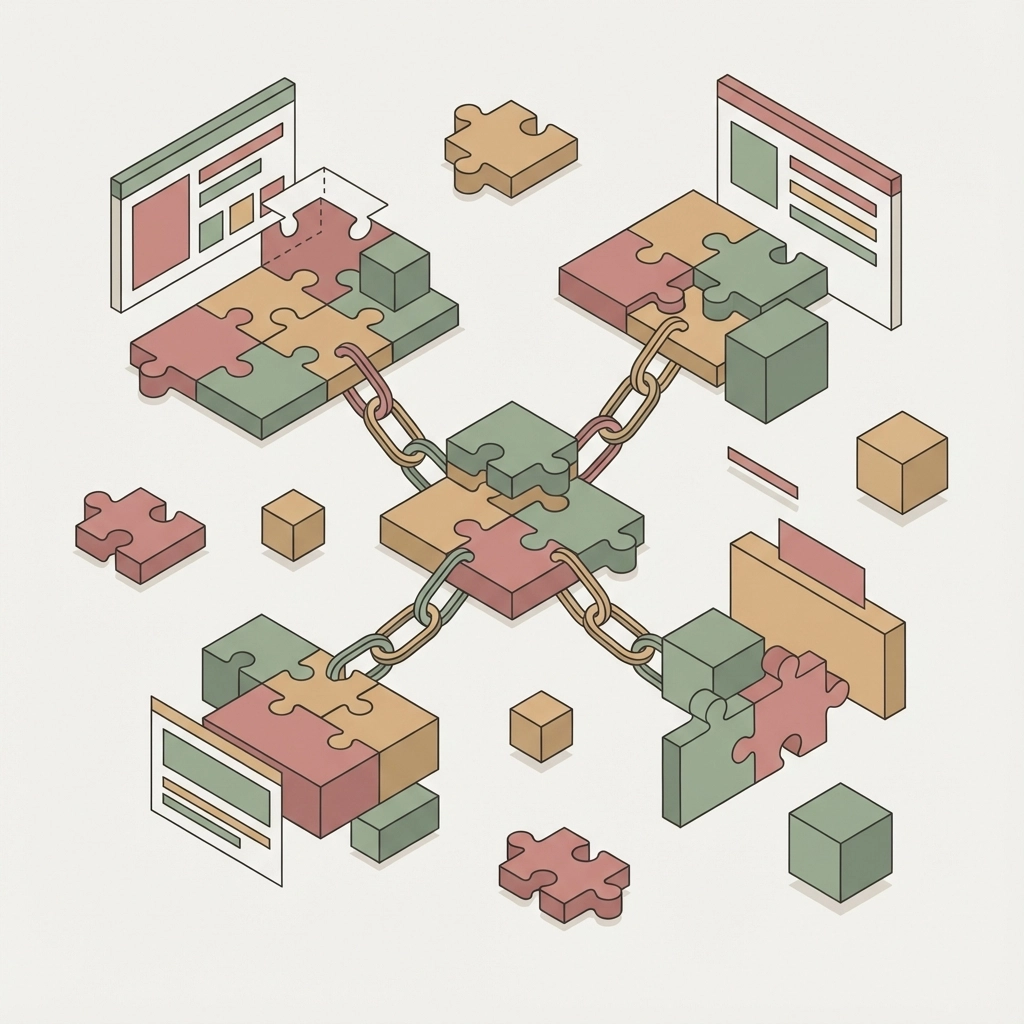
Salesforce loves bundling products together to justify bigger discounts, but these bundles create dangerous dependencies. Your contract might stipulate that dropping Tableau causes your Sales Cloud discount to revert from 50% to 30%. Every product becomes intertwined, making optimization nearly impossible.
I've seen companies stuck paying for Marketing Cloud licenses they never use because unbundling would eliminate their discount on Service Cloud: creating a perpetual cycle of waste.
The Fix:
The Documentation Mistake That Costs Millions
Here's a bonus mistake that underlies all the others: relying on verbal promises from Salesforce sales reps.
"We usually don't enforce that clause." "We'll work with you if that situation comes up." "Trust me, we're flexible on overages."
If it's not written in your contract or order form, it doesn't exist. Period.
The Fix: Demand that every concession, promise, and "understanding" be documented in writing. If your sales rep claims flexibility exists, prove it by adding contract language that guarantees it.
Taking Control of Your Salesforce Investment
These mistakes aren't inevitable: they're the result of approaching salesforce enterprise license agreement negotiations without proper preparation and expertise. The key is treating your SELA like the multi-million dollar strategic decision it is, not just another software renewal.
Before your next negotiation:
Remember, Salesforce's sales team negotiates these deals every day. You might do it once every three years. The playing field isn't level unless you have the right strategy and support.
Your SELA should be a strategic enabler, not a financial anchor. By avoiding these five fatal mistakes, you can maintain the predictability and enterprise features you need while protecting your organization from unnecessary costs and inflexible terms.
The stakes are too high to get this wrong. Make sure your next Salesforce negotiation puts your organization in the driver's seat, not the passenger seat.
Need help navigating your Salesforce renewal? Our enterprise contract renewal specialists have saved organizations millions in unnecessary software costs. Learn more about our saas negotiation consulting services.
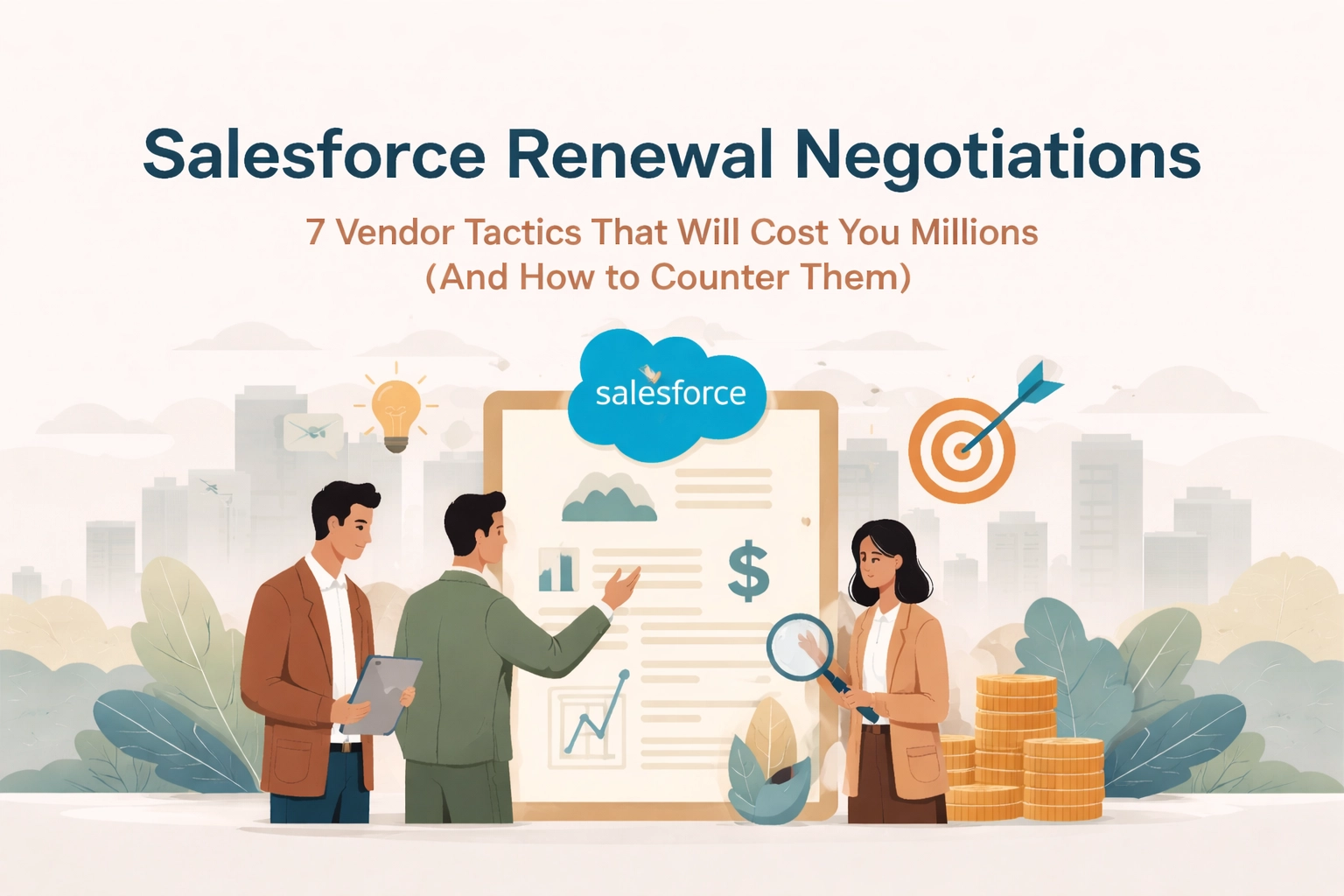
Salesforce Renewal Negotiations: 7 Vendor Tactics That Will Cost You Millions (And How to Counter Them)
Let's cut to the chase: Salesforce didn't become a $30+ billion company by accident. They've built a renewal machine that's incredibly effective at extracting maximum value from enterprise customers: often at your expense.
If you're a CIO, CFO, or procurement leader heading into a Salesforce renewal negotiation, you need to understand exactly what you're walking into. Because here's the uncomfortable truth: your Salesforce rep isn't your partner. They're a highly trained professional whose compensation depends on growing your contract value.
We've helped hundreds of enterprises navigate Salesforce contract negotiations, and we've seen every play in their playbook. Here are the seven tactics that cost organizations millions: and exactly how to counter each one.
Tactic #1: The Timing Trap
Salesforce will reach out months before your renewal: not to help you plan, but to control the conversation before you've had time to assess your actual needs. They'll frame this as "getting ahead of things" or "ensuring a smooth renewal."
Meanwhile, they're identifying upsell opportunities, understanding your budget cycle, and positioning themselves to apply pressure when you're most vulnerable.
The Counter-Move: Start your internal renewal planning 6 months before your renewal date. Audit your current usage, assess alternatives, and build executive alignment before Salesforce initiates contact. When you control the timeline, you control the negotiation.

Tactic #2: The Inflated Baseline
Here's a number Salesforce hopes you never discover: their initial renewal quote typically starts around 10% above your current spend: before any "negotiation" even begins.
Some of these increases are obvious (new list prices, added users) while others are buried in contract language and other means. The goal? Anchor the conversation at a higher number so that any "discount" they offer still results in you paying more than you should.
Furthermore, it's important to understand that your Salesforce AE has a 10%+ revenue uplift target at each renewal which creates an automatic conflict when you're trying to save money. If your account is a "flat" renewal from the previous contract year with no sign of new products/licenses/etc. then you'll be handed over to the renewal desk. This team is compensated differently with the ultimate objective of never allowing your account to decrease below your current spend. Naturally, this team is incentivized to ensure there is 5% revenue growth.
The Counter-Move: Conduct a thorough license audit before engaging. Many organizations discover they're paying for Premium editions when Standard would suffice, or carrying licenses for users who left the company years ago. Our Right Price Benchmarking™ service consistently reveals that enterprises overpay by 20-40% simply because they never questioned the baseline.
Tactic #3: The Automatic Uplift Clause
Buried in your Master Service Agreement are automatic renewal and price increase provisions. These clauses can escalate your costs by 3-7% annually: without any renegotiation, without any added value, and often without you even noticing until the invoice arrives.
The Counter-Move: Scrutinize your MSA for these provisions immediately. Calendar your renewal dates with 6-month advance alerts. When you do renegotiate, explicitly address these clauses and push for caps on annual increases or elimination of auto-renewal terms entirely.
Tactic #4: The True-Up Surprise
True-up clauses sound reasonable: you pay for what you actually use. In practice, they're a landmine waiting to explode your budget.
Without careful tracking, you might add users throughout the year thinking you're within your allocation: only to receive a six-figure true-up invoice at renewal. Salesforce counts on organizations losing track of their usage, and they're rarely wrong.
The Counter-Move: Implement quarterly internal audits to track actual usage against your contracted terms. Better yet, negotiate true-down rights into your contract: the ability to reduce licenses if your needs decrease, not just pay more when they increase.
Tactic #5: The Bundle Trap
This is one of Salesforce's most effective plays. Your rep will offer a "significant discount" on your renewal: but only if you bundle it with additional products, users, or support tiers you didn't ask for.
"I can get you 15% off, but only if we include Marketing Cloud in this deal."
Suddenly, your "discounted" renewal costs more than your original contract, and you're locked into products you may never fully deploy.
The Counter-Move: Flip the script. Bundle your own negotiation asks strategically. Combine price discussions with user alignment, unused license returns, true-down rights, and multi-year price caps. When you present a comprehensive counter-proposal, you gain leverage instead of surrendering it.
Tactic #6: The Support Plan Squeeze
After your initial contract term, Salesforce will push hard to maintain: or upgrade: your Premier or Premier+ support plan. They'll cite "business continuity" and "access to expertise" as justifications.
Here's what they won't tell you: most organizations' support needs drop dramatically after the first year. Your admins get trained. Your users figure things out. The urgent tickets become routine questions.
The Counter-Move: Reassess your support plan annually based on actual ticket volume and complexity. Many enterprises can safely downgrade from Premier to Standard support after their initial term, saving significant budget while reducing upsell pressure from the support team.

Tactic #7: The Middleman Mirage
Your Salesforce account executive seems like your advocate. They're friendly, responsive, and always willing to "go to bat for you" on pricing.
Here's the reality: your AE has almost no authority to offer meaningful discounts. Real decisions happen at the SVP & EVP level in conjunction with Salesforce's Business Desk: a team you'll never meet directly. Your rep is an intermediary who controls the flow of information in both directions, and that information asymmetry benefits Salesforce, not you.
The Counter-Move: Develop clear, logical, outcomes-oriented messaging and ensure everyone your rep contacts delivers it consistently. Document everything in writing. When you hit a wall, escalate directly to the Business Desk through formal channels rather than relying on your rep to "see what they can do." This practice is an art and not a science...we have perfected the practice at TNG.
The Preparation Equation
Here's the framework that separates enterprises who get crushed in Salesforce renewal negotiations from those who walk away with favorable terms:
Spend 75% of your time on preparation. Only 25% on the actual negotiation.
That means:
- Building a comprehensive Salesforce CRM Solution Blueprint (specific editions, feature sets, user counts, and measured value for each application)
- Conducting honest internal assessments of what you actually need vs. what you're currently paying for
- Researching competitive alternatives: not necessarily to switch, but to establish credible leverage
- Aligning your executive team on priorities and walk-away points
Without this preparation, you're bringing a spreadsheet to a gunfight.
Why Impartiality Matters
At The Negotiator Guru (TNG), we don't sell Salesforce. We don't resell licenses. We don't take referral fees from vendors. Our only interest is getting you the best possible deal.
That impartiality is why our Right Price Benchmarking™ data is trusted by enterprises across industries. We know what companies like yours actually pay: not what Salesforce says companies pay.
When you walk into a negotiation armed with real benchmark data and proven counter-tactics, the dynamic shifts. Suddenly, you're not reacting to Salesforce's playbook. You're executing your own.
Ready to Take Control of Your Next Renewal?
Salesforce renewal negotiations don't have to be a losing battle. With the right preparation, the right data, and the right strategy, you can counter every tactic in their playbook and protect your organization from unnecessary spend.
If you're facing a Salesforce renewal in the next 6-12 months, now is the time to start preparing. Check out our Salesforce vendor spotlight for more insights, or explore our enterprise contract renewal solutions to see how we can help.
Because in Salesforce contract negotiation, the prepared win. Everyone else just pays the price.
Inc. Magazine Unveils Its First-Ever List of the Midwest’s Fastest-Growing Private Companies— The Inc. 5000 Series: Midwest
The Negotiator Guru Ranks No. 15 on the inaugural 2020 Inc. 5000 Series: Midwest
NEW YORK, March 25, 2020 – Inc. magazine today revealed that The Negotiator Guru is No.15 on its inaugural Inc. 5000 Series: Midwest list, the most prestigious ranking of the fastest-growing private companies in Illinois, Indiana, Iowa, Kansas, Michigan, Minnesota, Missouri, Nebraska, North Dakota, Ohio, South Dakota, and Wisconsin.
Born of the annual Inc. 5000 franchise, this regional list represents a unique look at the most successful companies within the Midwest economy’s most dynamic segment—its independent small businesses.
“We’re honored to be recognized in the Inc. 5000 list as one of the fastest growing private companies in the Midwest,” said Dan Kelly, Founder and Senior Partner. The Negotiator Guru also ranked #2 in the state of Minnesota and #5 in the category of Business Products and Services. “Our success is a direct result of the value we’ve delivered with, and for, our global enterprise client base. Congratulations to the TNG team!”
The companies on this list show stunning rates of growth across all industries in the 12 Midwest states. Between 2016 and 2018, these 250 private companies had an average growth rate of 360 percent and, in 2018 alone, they employed more than 27,000 people and added $13 billion to the Midwest’s economy. Companies based in the Chicago, Detroit, and Cincinnati areas brought in the highest revenue overall. Complete results of the Inc. 5000 Series: Midwest, including company profiles and an interactive database that can be sorted by industry, metro area, and other criteria, can be found here starting March 25, 2020.
“The companies on this list demonstrate just how much the small-business sector impacts the economies of each Midwest state,” says Inc. editor in chief Scott Omelianuk. “Across every single industry, these businesses have posted revenue and growth rates that are beyond impressive, further proving the tenacity of their founders and CEOs.”
About The Negotiator Guru
The Negotiator Guru is the leading advisory firm for Salesforce contract negotiation. Our team of Senior IT Sourcing Experts provides industry leading IT contract negotiation services for a global client base. Clients engage us to source, negotiate, and manage highly complex IT contracts, transactions and suppliers. Through our deep business understanding and senior expert negotiation skills, we work closely with clients to deliver immediate and long-lasting financial impact to all stakeholders.
Founded in 2015, The Negotiator Guru is a private company based in Minneapolis, Minnesota. For more information, visit www.thenegotiator.guru. More about Inc. and the Inc.
5000 Regional Series
Methodology
The 2020 Inc. 5000 Regional Series is ranked according to percentage revenue growth when comparing 2016 and 2018. To qualify, companies must have been founded and generating revenue by March 31, 2016. They had to be U.S.-based, privately held, for profit, and independent—not subsidiaries or divisions of other companies—as of December 31, 2018. (Since then, a number of companies on the list have gone public or been acquired.) The minimum revenue required for 2016 is $100,000; the minimum for 2018 is $1 million. As always, Inc. reserves the right to decline applicants for subjective reasons.
Ready to explore joining the TNG family?
Contact us today to set-up a client intake assessment where we identify your cost savings opportunity for free!
------------------------------------------------------------------
Explore other TNG Featured Articles, Follow The Negotiator Guru on LinkedIn, Follow Dan Kelly on LinkedIn and Twitter. Learn more about What We Do.
About Inc. Media
The world’s most trusted business-media brand, Inc. offers entrepreneurs the knowledge, tools, connections, and community to build great companies. Its award-winning multiplatform content reaches more than 50 million people each month across a variety of channels including websites, newsletters, social media, podcasts, and print. Its prestigious Inc. 5000 list, produced every year since 1982, analyzes company data to recognize the fastest-growing privately held businesses in the United States. The global recognition that comes with inclusion in the 5000 gives the founders of the best businesses an opportunity to engage with an exclusive community of their peers, and the credibility that helps them drive sales and recruit talent. The associated Inc. 5000 Conference is part of a highly acclaimed portfolio of bespoke events produced by Inc. For more information, visit www.inc.com.
Start with a CIA.
That’s a Client Intake Assessment.
Upload your contract data or schedule a discovery call. If we can’t identify at least a 10%+ from a TNG Right Pricing™ opportunity, we won’t take your money (but we will offer you some free advice!)
